
Hidden Water Ingress Behind Siding: Insurance Claim and Repair Guide
Starting off with Hidden Water Ingress Behind Siding: Insurance Claim and Repair Guide, this initial paragraph aims to draw in the readers with an intriguing overview of the topic.
The following paragraph will provide detailed insights and explanations regarding the subject matter.
Hidden water ingress refers to the infiltration of water into the building structure without being easily detectable. This can have serious consequences on the integrity of the building, leading to potential damage and costly repairs. When water infiltrates behind siding, it can go unnoticed for an extended period, causing gradual deterioration of the building materials.
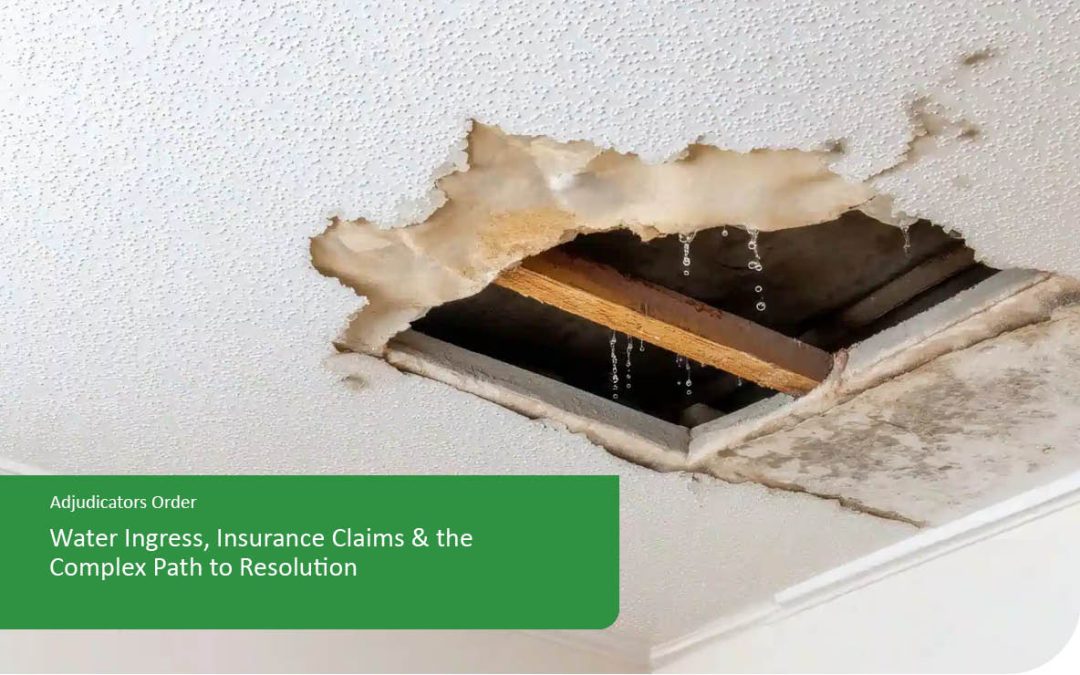
Identifying hidden water ingress behind siding is crucial in preventing extensive damage to your property. Here are some methods to help you detect this issue before it becomes a major problem.
One of the simplest ways to identify hidden water ingress is through a thorough visual inspection. Look for signs of discoloration, peeling paint, or warping on the siding, which could indicate water damage.
Using a moisture meter can help you detect hidden water behind siding. These tools measure the moisture content in materials, allowing you to pinpoint areas with elevated moisture levels.
Thermal imaging cameras can be used to detect temperature differences in the siding, which may indicate areas of water infiltration. This non-invasive technique can help identify hidden water ingress without causing damage to the siding.
Probe testing involves using a small tool to penetrate the siding and assess the condition of the material beneath the surface. This method can help differentiate between regular wear and water damage by identifying soft or deteriorated areas.
If you suspect hidden water ingress but are unsure how to proceed, consider hiring a professional inspector. They have the expertise and tools necessary to accurately identify and assess water damage behind siding.By utilizing these methods, you can effectively identify hidden water ingress behind siding and take the necessary steps to address the issue promptly.
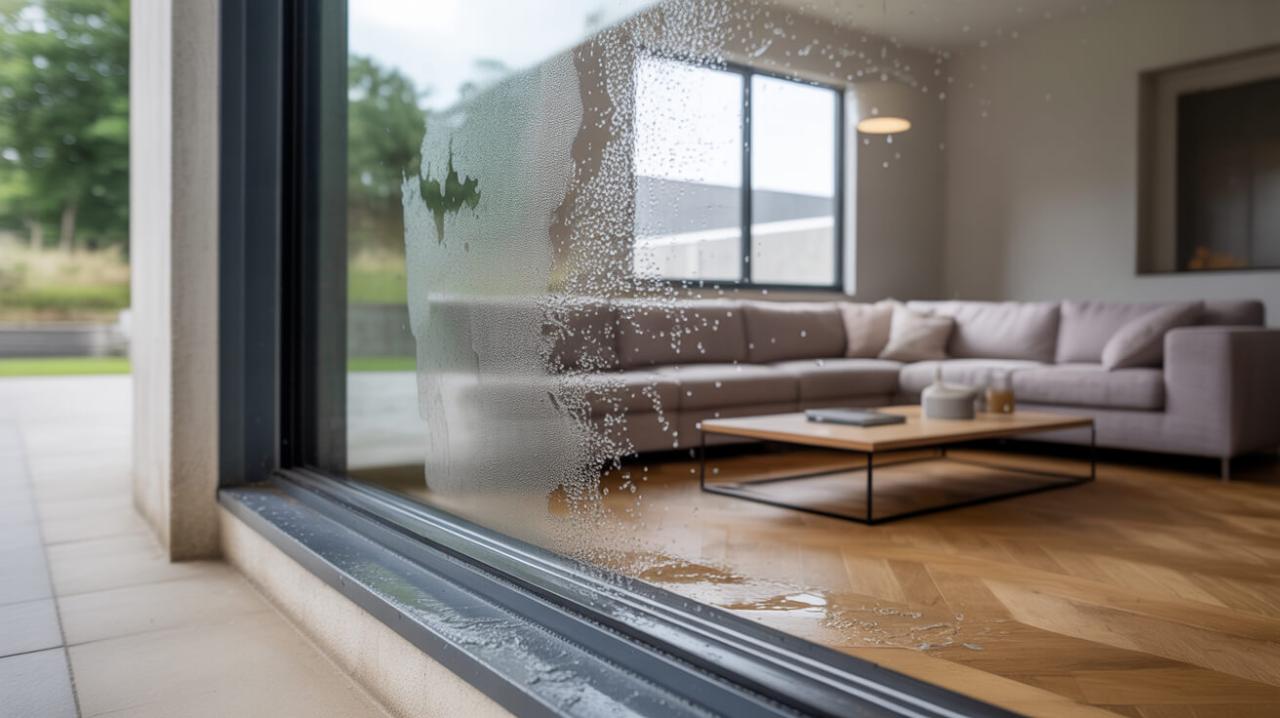
When it comes to dealing with water damage caused by hidden water ingress behind siding, filing an insurance claim is a crucial step in getting the necessary repairs covered. Understanding the process and key information required can help streamline the claim process and ensure a smoother experience overall.
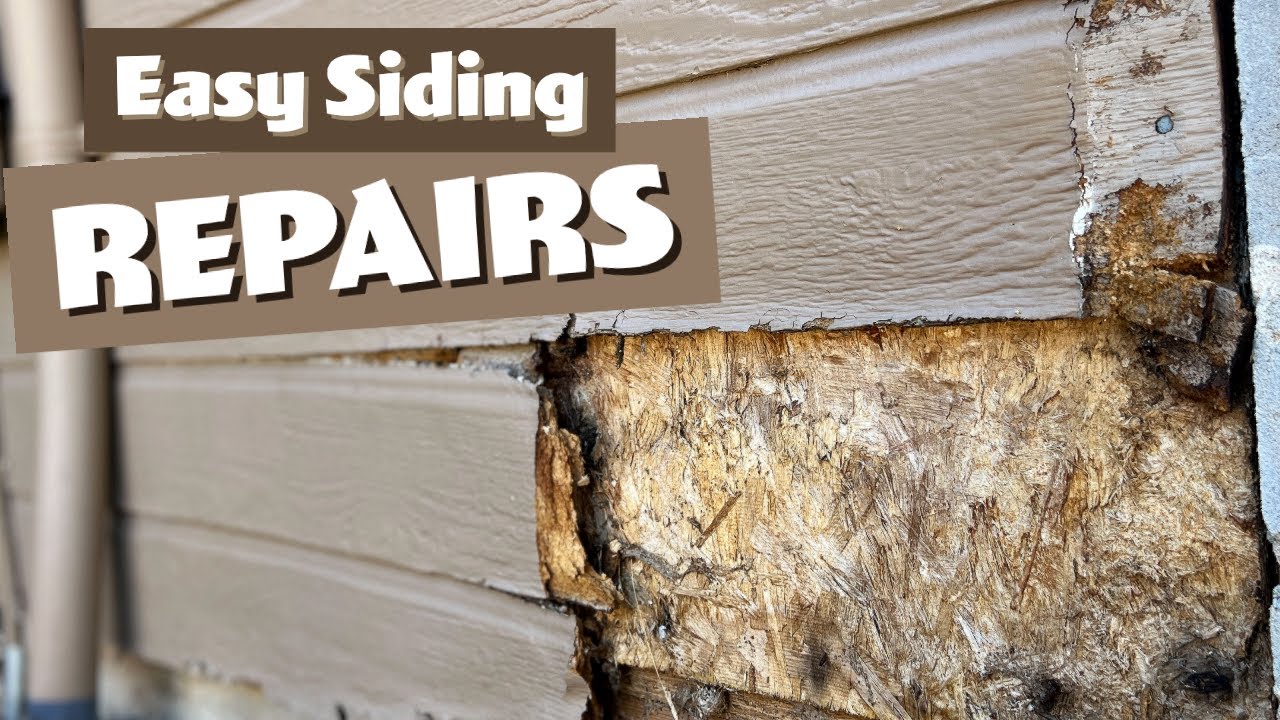
When it comes to repairing hidden water ingress damage behind siding, it is crucial to address the issue promptly to prevent further structural damage and mold growth. Here are the steps involved in repairing water damage behind siding:
Before starting the repair process, it is essential to identify and address the underlying issues causing water ingress. This may involve inspecting the siding, flashing, or any gaps or cracks that are allowing water to seep in.
Once the source of water ingress is identified, the next step is to remove any damaged materials such as wet insulation, sheathing, or siding. This will help prevent mold growth and further damage to the structure.
After removing the damaged materials, it is important to replace them with new, waterproof materials. This may include installing new insulation, sheathing, or siding to ensure that the area is properly sealed and protected from future water ingress.
Finally, it is essential to seal and waterproof the repaired area to prevent any future water damage. This may involve applying a waterproof barrier, sealant, or flashing to ensure that water cannot penetrate the siding and cause further damage.
What are some common signs of hidden water ingress behind siding??
Common signs include mold growth, peeling paint, musty odors, and bulging siding.
What key information is needed when filing an insurance claim for water damage?
Essential information includes policy details, photos of the damage, and a detailed description of the incident.
Why is it important to address underlying issues causing water ingress during repairs?
Addressing underlying issues ensures that the problem is fully resolved and prevents future water damage.