Car Insurance for Multiple Vehicles: How Multi-Car Policies Work
As Car Insurance for Multiple Vehicles: How Multi-Car Policies Work takes center stage, this opening passage beckons readers into a world crafted with good knowledge, ensuring a reading experience that is both absorbing and distinctly original.
Exploring the intricacies of multi-car policies sheds light on the benefits, cost savings, and coverage options available under one comprehensive policy.
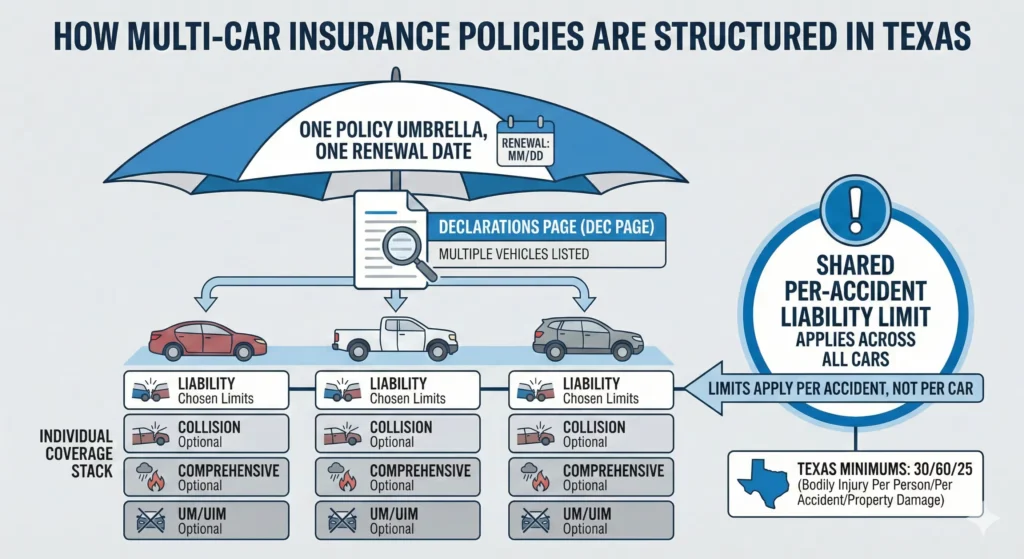
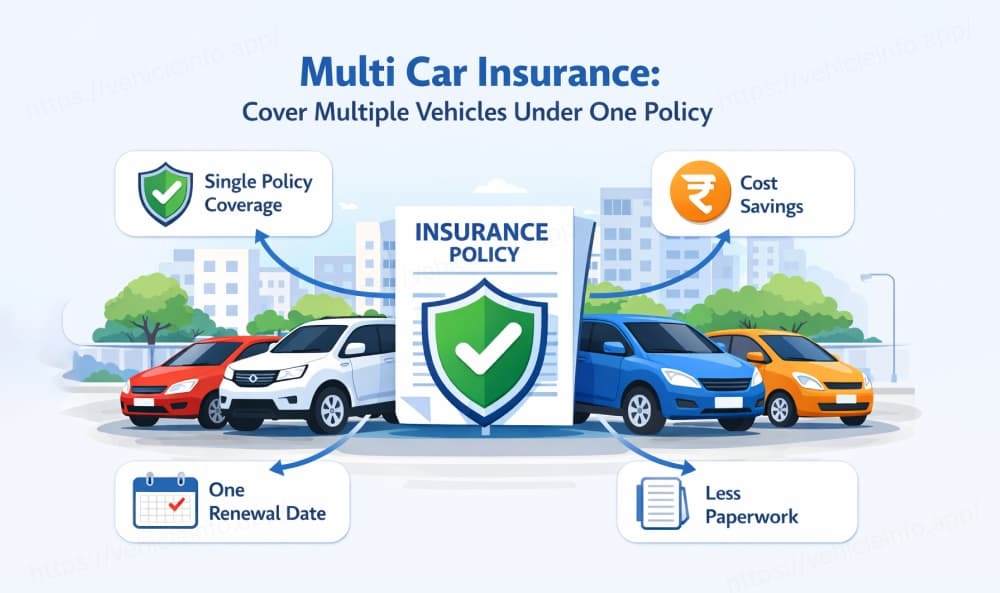
Multi-car policies are insurance plans that cover more than one vehicle under a single policy. This type of policy is beneficial for households or families with multiple cars, as it simplifies the insurance process and can lead to cost savings.When you opt for a multi-car policy, all the vehicles covered will share the same renewal date and policy terms.
This means you only have to manage one policy for all your vehicles, making it easier to keep track of payments and coverage details.
When it comes to multi-car insurance policies, there are specific eligibility criteria and requirements that need to be met in order to qualify. These policies are designed to cover multiple vehicles under one policy, providing convenience and potential cost savings for policyholders.
In general, most insurance companies require that all vehicles covered under a multi-car policy must be owned by the same individual or members of the same household. This means that family members living at the same address can typically be included in the policy.
Some insurers may also extend this to cover vehicles owned by relatives who do not live at the same address.
To qualify for a multi-car policy, each vehicle must meet the standard requirements set by the insurance company. This includes having a valid driver’s license for each driver listed on the policy, as well as ensuring that all vehicles are registered and properly maintained according to state laws.
Additionally, the vehicles must be primarily used for personal purposes and not for commercial activities.
While multi-car policies offer many benefits, there are some limitations and restrictions to be aware of. For example, most insurers have a limit on the number of vehicles that can be covered under a single policy, usually ranging from two to five cars.
Additionally, some companies may require all vehicles to have similar coverage levels, which could impact the overall cost of the policy. It’s important to review the specific terms and conditions of each policy to understand any limitations or restrictions that may apply.
When it comes to multi-car insurance policies, there are several coverage options available to ensure that all vehicles and drivers are adequately protected. Each vehicle under the policy can have its own level of coverage, depending on individual needs and preferences.
Customization options can vary for different vehicles under the same policy, allowing you to tailor coverage based on the specific needs of each vehicle. For example:
When it comes to managing a multi-car insurance policy, adding or removing vehicles can have a significant impact on coverage and premiums. Understanding the process is crucial to ensuring that your policy remains up to date and meets your needs.Adding a New Vehicle:Adding a new vehicle to an existing multi-car policy typically involves contacting your insurance provider and providing the necessary information about the vehicle.
This may include details such as the make, model, year, and vehicle identification number (VIN). Your insurer will then adjust your policy to include coverage for the new vehicle. It’s important to notify your insurer promptly to avoid any gaps in coverage.Removing a Vehicle:Removing a vehicle from your multi-car policy can also affect your coverage and premiums.
When a vehicle is removed, the associated coverage will no longer apply, which could leave you vulnerable in the event of an accident. Additionally, your premiums may be adjusted based on the number of vehicles remaining on the policy. It’s essential to review your policy carefully before removing a vehicle to understand the impact on your coverage and costs.Tips for Managing Changes:
When insuring vehicles of different types under a multi-car policy, there are several key considerations to keep in mind. The type of vehicle, such as a sedan, SUV, or sports car, can significantly impact your premiums and coverage options. It’s essential to understand how these factors play a role in your insurance policy to ensure you have the right coverage for all your vehicles.
When it comes to insuring different types of vehicles, insurance companies consider various factors such as the cost of repairs, safety features, and the likelihood of theft or accidents. For example, sports cars typically have higher premiums due to their higher risk of accidents and theft.
On the other hand, sedans and SUVs may have lower premiums because they are considered safer and less expensive to repair.
Tip: Opt for higher deductibles on lower-risk vehicles to potentially reduce your overall insurance costs while maintaining sufficient coverage on higher-risk vehicles.
To optimize coverage when insuring a mix of vehicle types, consider bundling all your vehicles under the same insurance policy to take advantage of multi-car discounts. Additionally, review your coverage options regularly to ensure that each vehicle has the appropriate level of protection based on its type and associated risks.
What are the eligibility criteria for multi-car policies?
Eligibility criteria typically include all vehicles being registered to the same address or owner. It’s essential to check with the insurance provider for specific requirements.
How does adding a new vehicle affect my existing multi-car policy?
Adding a new vehicle usually involves contacting your insurance provider to update the policy with the new vehicle’s details. The impact on coverage and premiums can vary based on factors such as the vehicle type and driving history.
Are coverage options the same for all vehicles under a multi-car policy?
Coverage options can be customized for each vehicle under a multi-car policy. It’s important to review and adjust coverage levels based on the specific needs of each vehicle.