Pay-Per-Mile Car Insurance: Is Usage-Based Coverage Worth It?
Exploring the realm of Pay-Per-Mile Car Insurance: Is Usage-Based Coverage Worth It? invites readers to delve into a well-crafted narrative, ensuring an informative and engaging reading experience.
The subsequent paragraph will provide a detailed and comprehensive overview of the topic.
Pay-Per-Mile car insurance is a type of coverage where the premium you pay is based on the number of miles you drive. Unlike traditional car insurance, which relies on factors like age, driving record, and location, Pay-Per-Mile insurance focuses on the actual usage of your vehicle.
Traditional car insurance typically charges a fixed premium regardless of how much you drive. On the other hand, Pay-Per-Mile insurance adjusts your premium based on the distance you travel, making it a more personalized and potentially cost-effective option for low-mileage drivers.
Usage-based coverage, like Pay-Per-Mile insurance, tracks your driving habits and mileage to determine your premium. This data is often collected through telematics devices installed in your vehicle, allowing insurance companies to assess your risk more accurately and offer tailored pricing based on your actual driving behavior.
This can lead to potential savings for safe and infrequent drivers.
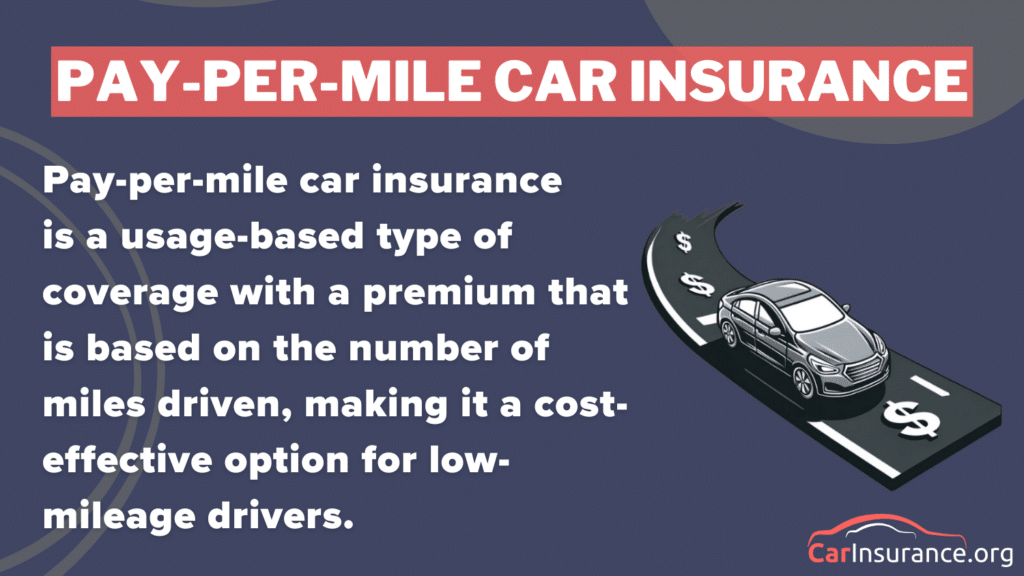
Pay-Per-Mile car insurance offers several benefits that can make it a cost-effective option for certain drivers.
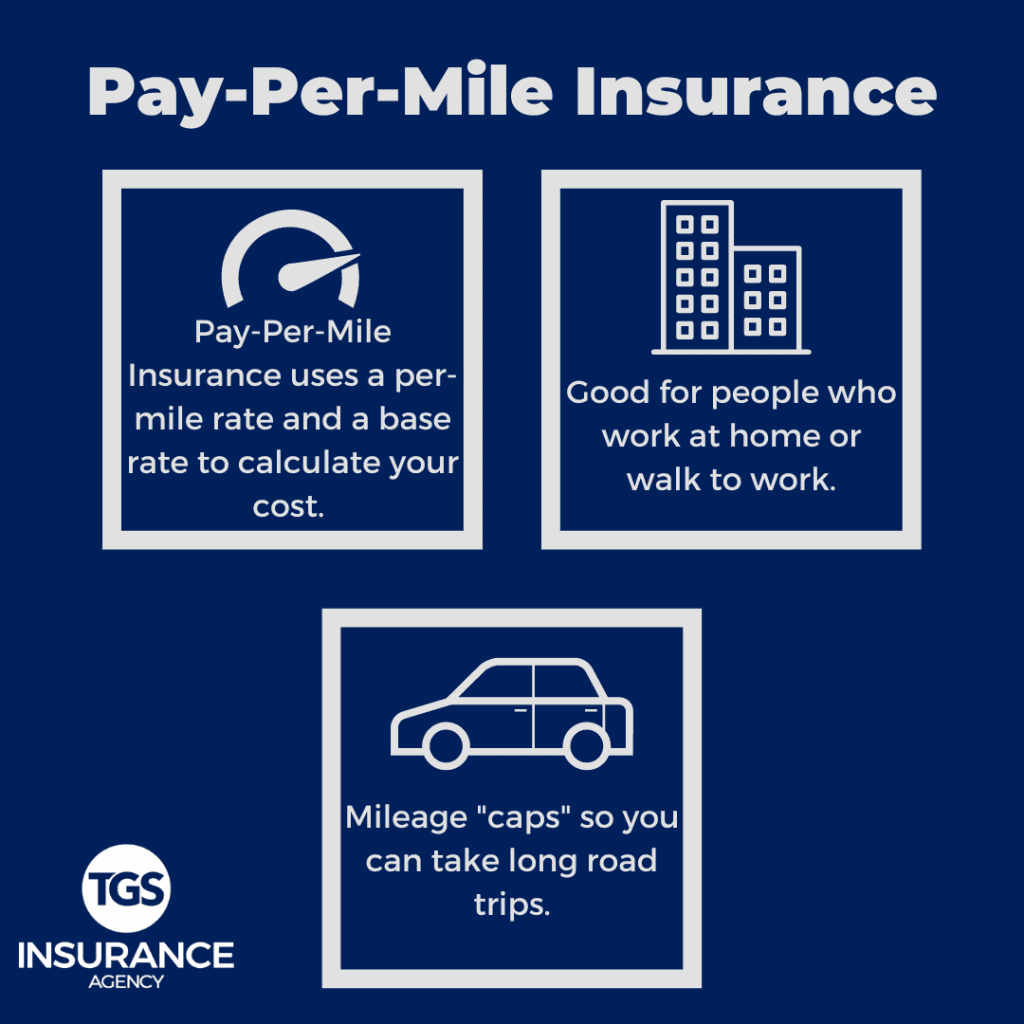
When considering switching to a pay-per-mile car insurance policy, there are several important factors to keep in mind. Understanding these considerations can help you make an informed decision that best suits your needs and driving habits.
When comparing Pay-Per-Mile car insurance with traditional car insurance, it is essential to consider various factors such as cost structure, coverage options, and limitations. Let’s delve into the differences between the two types of insurance to help you make an informed decision.
What is Pay-Per-Mile car insurance?
Pay-Per-Mile car insurance is a type of coverage where premiums are based on the number of miles driven.
How does Pay-Per-Mile insurance differ from traditional coverage?
Unlike traditional coverage, Pay-Per-Mile insurance charges based on actual mileage rather than a flat rate.
Are there any potential drawbacks of Pay-Per-Mile coverage?
One drawback could be limited coverage options compared to traditional insurance plans.