Comprehensive vs Collision Insurance: Which Coverage Do You Really Need?
As Comprehensive vs Collision Insurance: Which Coverage Do You Really Need? takes center stage, this opening passage beckons readers with casual formal language style into a world crafted with good knowledge, ensuring a reading experience that is both absorbing and distinctly original.
In the following paragraphs, you will find detailed information about the comparison between comprehensive and collision insurance coverage to help you make an informed decision.
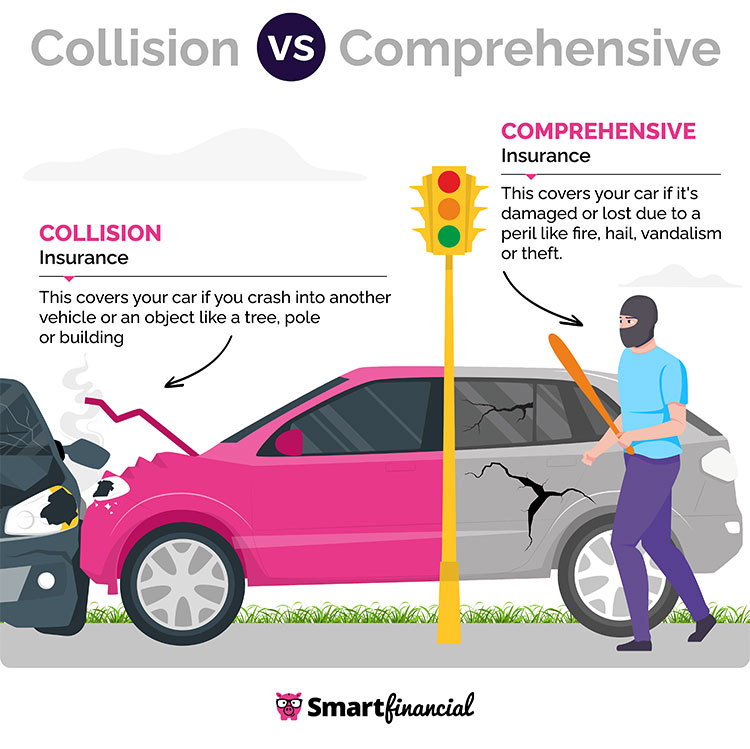
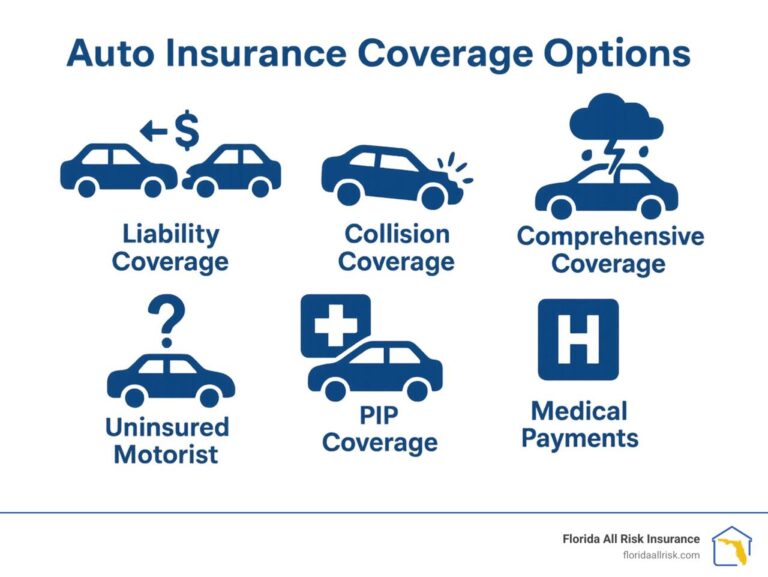
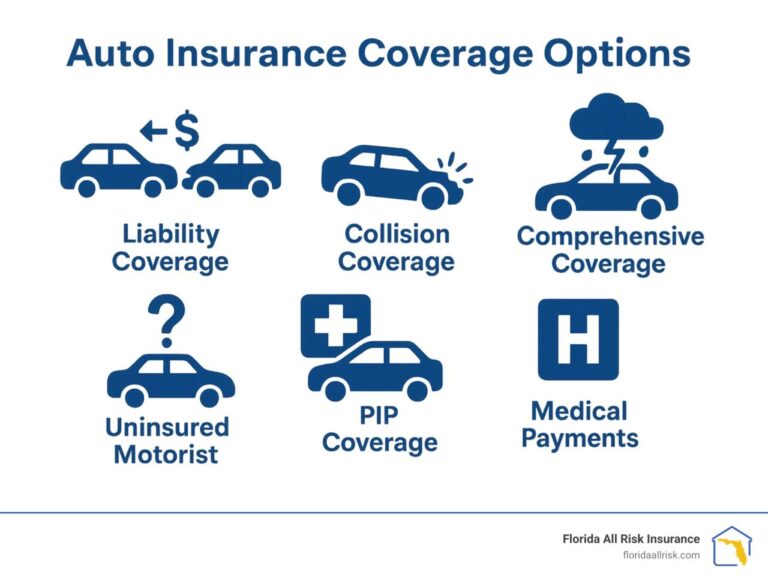
Comprehensive insurance is a type of auto insurance that covers damage to your vehicle that is not caused by a collision. This can include theft, vandalism, natural disasters, falling objects, and more.
Collision insurance is a type of coverage that helps pay for repairs or replacement of your vehicle if it is damaged in a collision with another vehicle or object, regardless of who is at fault.
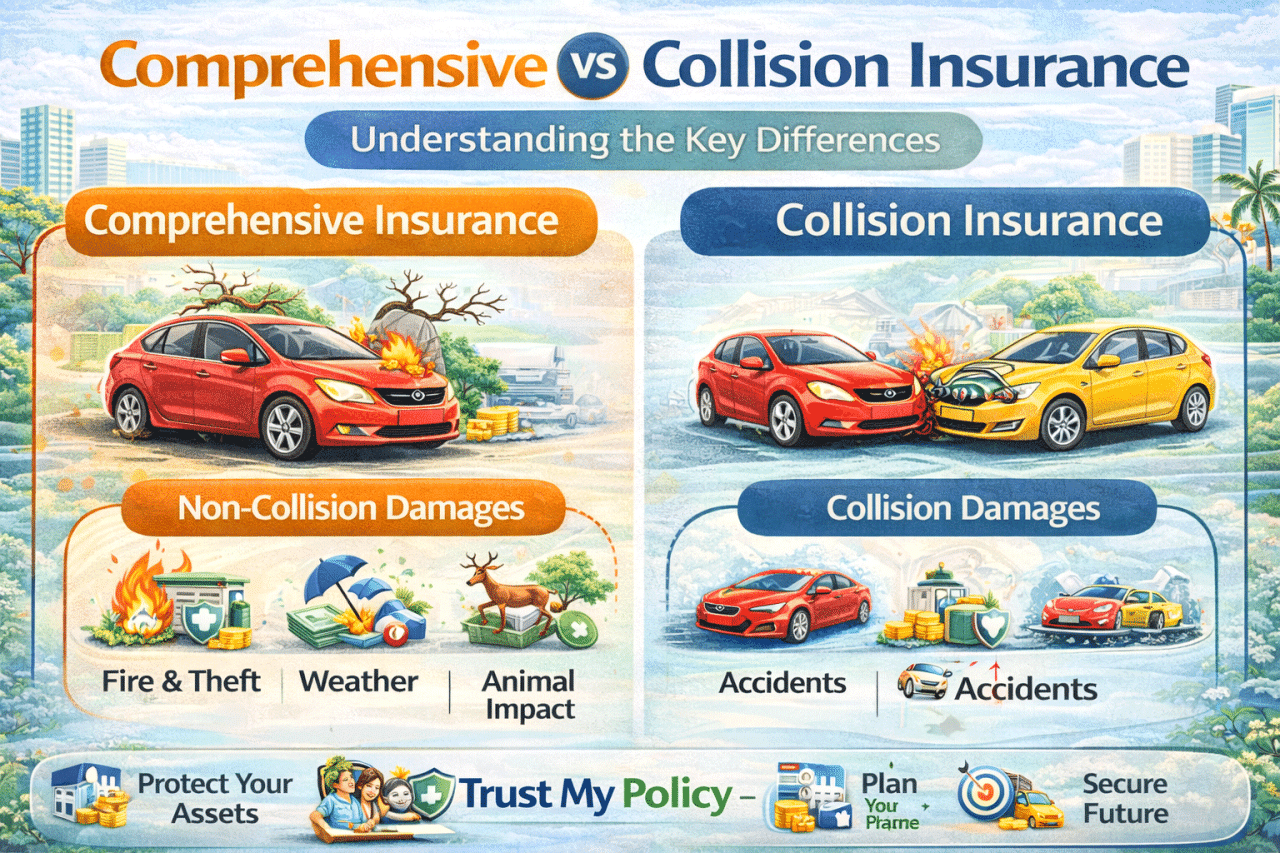
When deciding between comprehensive and collision insurance, there are several factors to take into account to make the best choice for your specific situation. The type of vehicle you own, your driving habits, and the environment in which you drive all play a crucial role in determining the most suitable coverage for you.
The type of vehicle you drive can greatly influence whether you should opt for comprehensive or collision insurance. If you own a brand new or expensive car, comprehensive insurance may be the better choice as it provides coverage for a wide range of damages, including those not caused by a collision.
On the other hand, if you have an older or less valuable vehicle, collision insurance might be sufficient to cover damages resulting from accidents.
Your driving habits and the environment in which you drive also impact your insurance decision. If you frequently drive in areas with high rates of theft, vandalism, or natural disasters, comprehensive insurance can give you peace of mind knowing you are covered for a variety of scenarios.
Conversely, if you are a cautious driver and rarely drive in risky conditions, collision insurance might be more cost-effective for you.
When it comes to choosing between comprehensive and collision insurance, cost is a crucial factor to consider. Understanding the cost breakdown and evaluating the cost-effectiveness of each type of coverage can help you make an informed decision that suits your budget and needs.
When selecting an insurance policy, the deductible amount plays a significant role in determining the overall cost. A deductible is the amount you must pay out of pocket before your insurance coverage kicks in. Consider the following:
Higher deductibles typically result in lower premiums, but keep in mind that you’ll have to cover more of the repair costs in case of an incident.
Lower deductibles lead to higher premiums, but you’ll pay less out of pocket when filing a claim.
What does comprehensive insurance cover?
Comprehensive insurance typically covers damage to your vehicle caused by incidents other than collisions, such as theft, vandalism, or natural disasters.
When is collision insurance beneficial?
Collision insurance is useful when your vehicle is damaged in a collision with another vehicle or object.
How do deductibles impact the cost of insurance?
Choosing a higher deductible can lower your insurance premium but will require you to pay more out of pocket in case of a claim.