
Commercial Auto Insurance: Costs, Coverage, and Requirements for Businesses
As Commercial Auto Insurance: Costs, Coverage, and Requirements for Businesses takes center stage, this opening passage beckons readers into a world crafted with good knowledge, ensuring a reading experience that is both absorbing and distinctly original.
When it comes to understanding the ins and outs of commercial auto insurance, businesses need to navigate through various aspects to protect their assets and operations effectively.
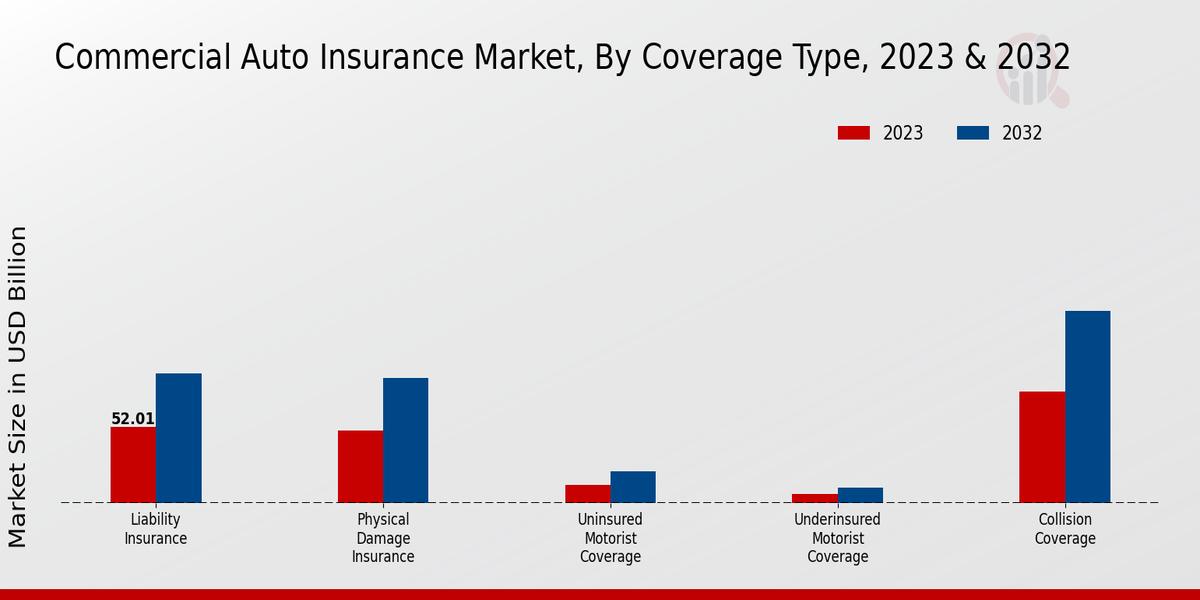
Commercial auto insurance is a type of insurance policy specifically designed for vehicles used for business purposes. It is crucial for businesses to protect their vehicles, employees, and assets in case of accidents or other unforeseen events on the road.Commercial auto insurance differs from personal auto insurance in that it provides coverage for vehicles used for business activities, such as transporting goods, making deliveries, or carrying passengers for a fee.
Personal auto insurance typically does not cover vehicles used for commercial purposes.
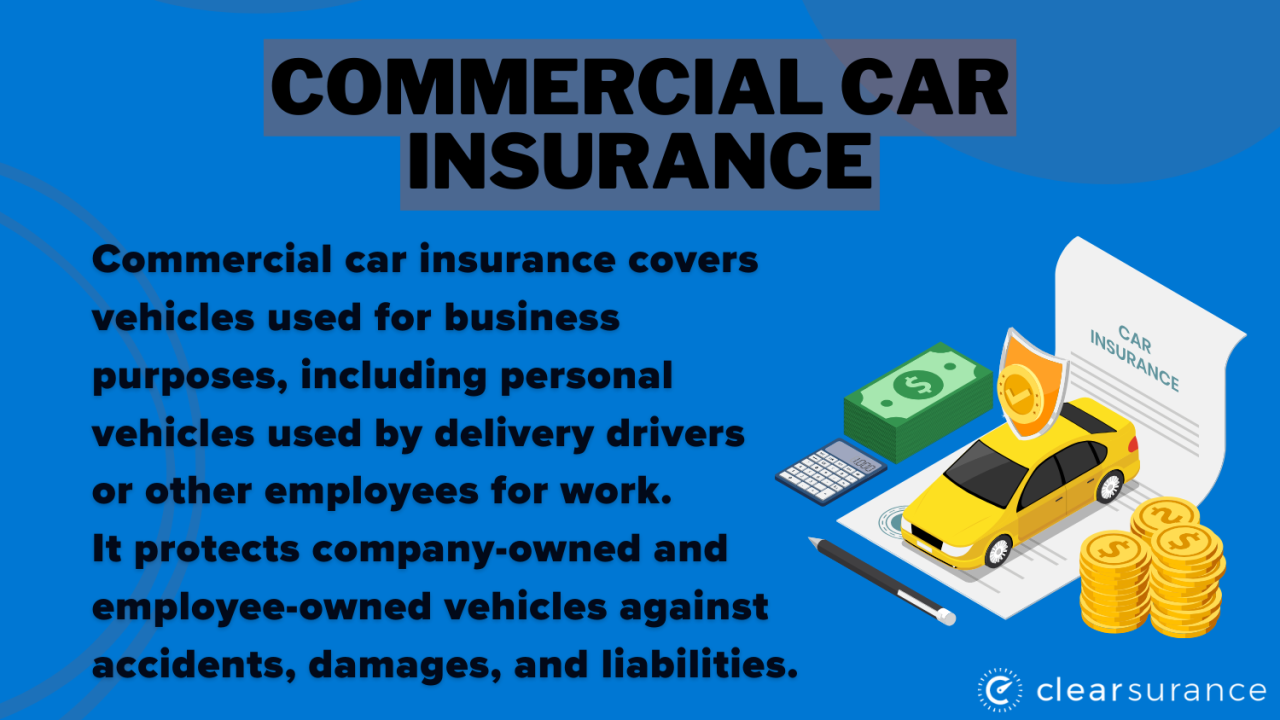
Commercial auto insurance costs can vary significantly based on several factors that influence premiums. Understanding these factors and implementing strategies to lower costs can help businesses manage their insurance expenses effectively.
When it comes to commercial auto insurance, there are various coverage options available to businesses to protect their vehicles, drivers, and assets. Understanding the different types of coverage is crucial in selecting the right policy that meets the specific needs of the business.Comprehensive Coverage vs.
Liability-Only Coverage:Comprehensive coverage provides protection for a wide range of events that could damage a vehicle, such as theft, vandalism, natural disasters, and collisions. On the other hand, liability-only coverage only covers damages and injuries caused to others in an accident that the insured party is responsible for.
While liability coverage is typically the minimum requirement by law, comprehensive coverage offers broader protection for the business.Examples of Beneficial Coverage Options:
1. Collision Coverage
This coverage helps pay for repairs or replacement of a vehicle damaged in a collision with another vehicle or object.
2. Uninsured/Underinsured Motorist Coverage
This coverage protects the business if one of its vehicles is involved in an accident with a driver who has little or no insurance.
3. Medical Payments Coverage
This coverage helps pay for medical expenses for injuries sustained by the driver and passengers in the insured vehicle, regardless of fault.
4. Hired and Non-Owned Auto Coverage
This coverage extends protection to vehicles that are rented, borrowed, or used for business purposes but not owned by the business.By considering these coverage options and understanding their significance, businesses can tailor their commercial auto insurance policies to provide adequate protection in various scenarios.
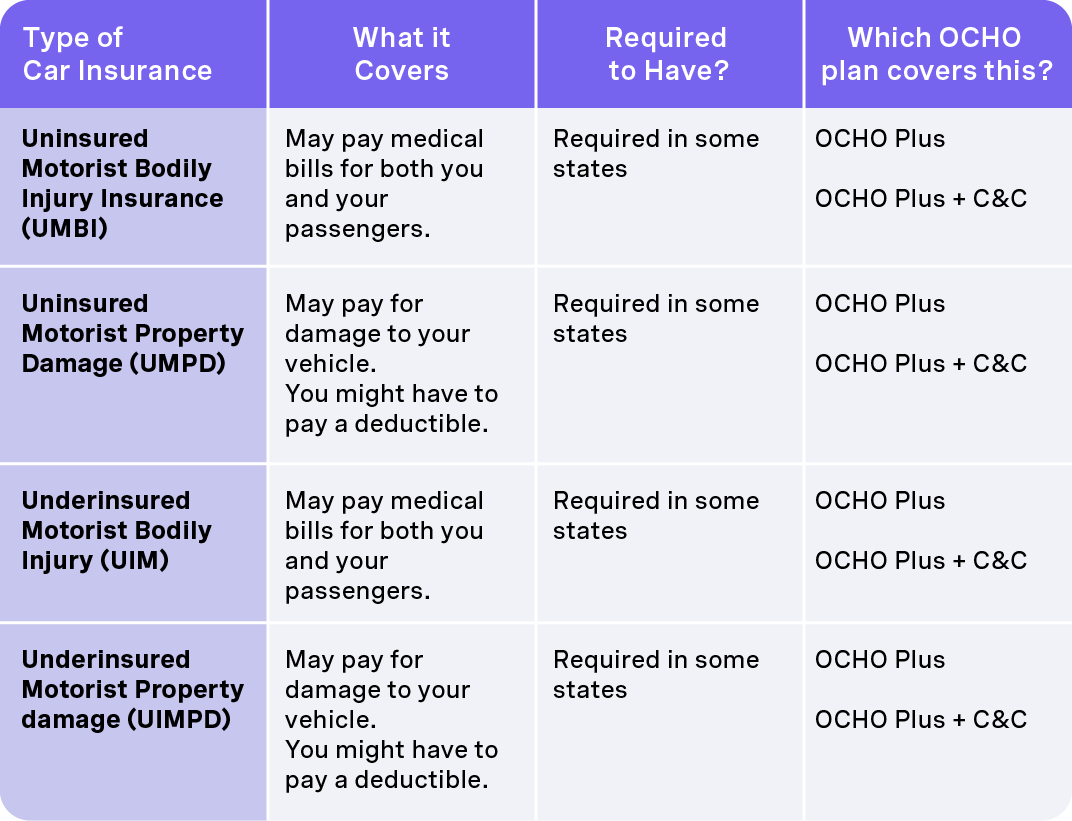
Commercial auto insurance is mandatory for businesses that use vehicles for work-related purposes. Failure to comply with these requirements can result in penalties, fines, and even legal consequences. Let’s dive into the specific requirements for businesses to obtain commercial auto insurance.
In general, businesses are required to carry commercial auto insurance to protect themselves, their employees, and other drivers on the road. The specific coverage and limits may vary depending on the state and the nature of the business. However, there are common requirements that most states enforce, such as liability coverage for bodily injury and property damage, uninsured/underinsured motorist coverage, and personal injury protection.
The size and nature of a business can greatly impact the insurance requirements. For example, a small business with only a few vehicles may have different coverage needs compared to a large corporation with a fleet of trucks. Additionally, businesses in high-risk industries may need higher coverage limits to protect against potential risks and liabilities.
Each state has its own regulations when it comes to commercial auto insurance. Some states may require additional coverage options or higher minimum limits than others. It is important for businesses to be aware of these state-specific requirements and ensure that their policy meets the necessary criteria to operate legally.
It is crucial for businesses to understand and comply with the legal requirements for commercial auto insurance to avoid potential financial losses and legal issues.
What factors can influence the cost of commercial auto insurance?
Factors like the number of vehicles, driving history of employees, type of business operations, and coverage limits can impact the cost of commercial auto insurance.
What is the significance of comprehensive coverage versus liability-only coverage?
Comprehensive coverage protects against a wider range of risks, including theft and vandalism, while liability-only coverage is limited to damages caused to others in an accident.
Are there state-specific requirements for commercial auto insurance?
Yes, each state may have different minimum coverage requirements for commercial auto insurance, so it’s essential for businesses to comply with the regulations of the state where they operate.