Full Coverage Car Insurance: Costs, Benefits, and What Is Actually Covered
Delving into the realm of Full Coverage Car Insurance: Costs, Benefits, and What Is Actually Covered, this introductory passage aims to captivate readers with a wealth of knowledge, promising an enlightening and unique exploration of the subject.
The subsequent paragraph will offer a detailed and comprehensive overview of the topic
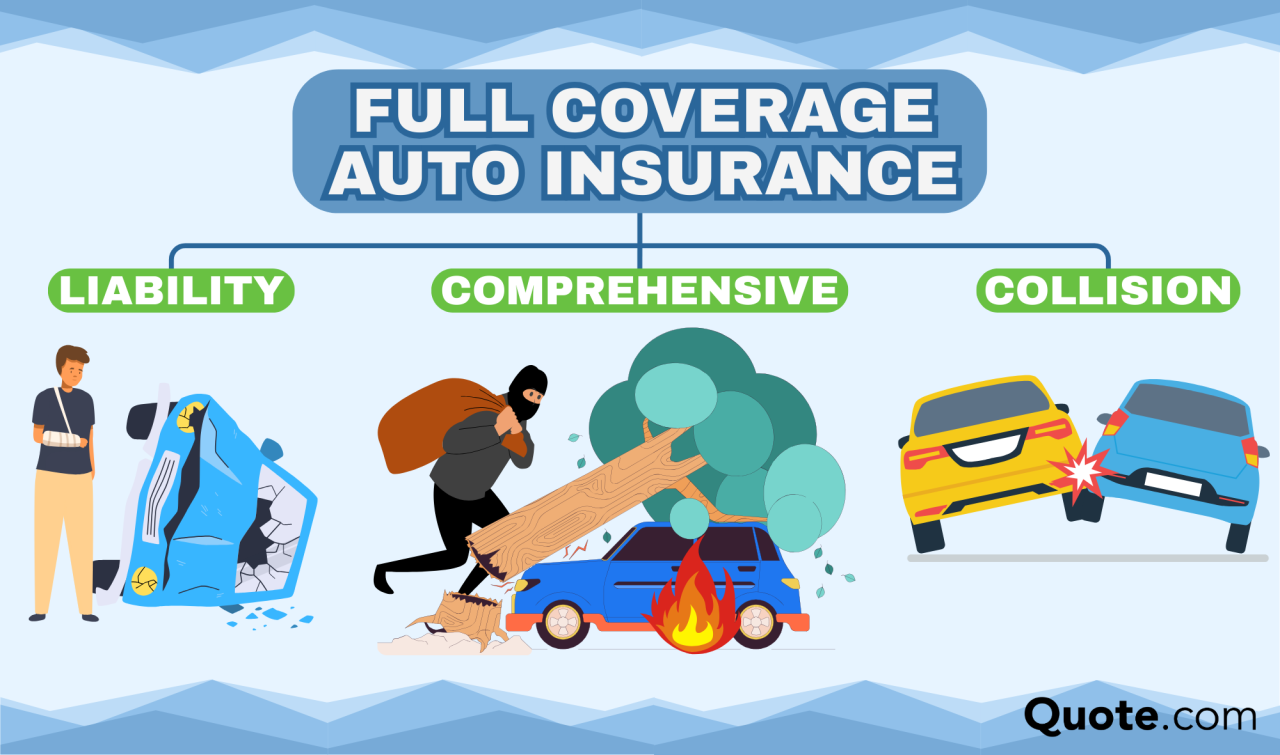
Full coverage car insurance is a comprehensive auto insurance policy that provides extensive protection for your vehicle in various situations. Unlike liability-only insurance, which only covers damages to others in an accident you cause, full coverage also includes coverage for your own vehicle.
Having full coverage car insurance is crucial for drivers who want to protect their investment in their vehicle. In the event of an accident, full coverage can help cover the costs of repairing or replacing your car, as well as medical expenses for you and your passengers.
When it comes to full coverage car insurance, the cost can vary based on several factors. Understanding what impacts the cost of full coverage insurance, comparing it to basic coverage options, and knowing strategies to reduce the cost can help you make informed decisions.
When it comes to full coverage car insurance, there are several key benefits that drivers can enjoy. Not only does it provide comprehensive protection for your vehicle, but it also offers peace of mind in various situations. Let’s delve into the main benefits of having full coverage insurance and explore real-life scenarios where it proved to be beneficial.
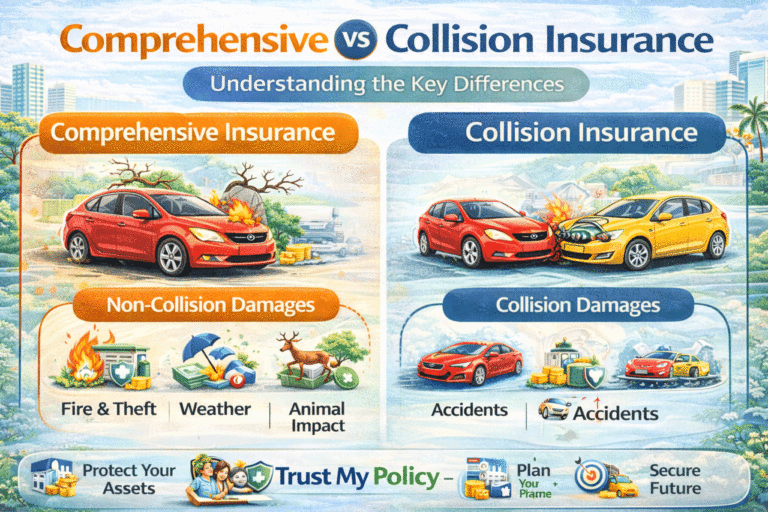
Full coverage car insurance includes both collision and comprehensive coverage, ensuring that your vehicle is protected in a wide range of scenarios. Whether you’re involved in a car accident, experience damage from severe weather conditions, or fall victim to theft or vandalism, full coverage insurance has you covered.
Having full coverage insurance can provide drivers with peace of mind knowing that their vehicle is protected in various circumstances. For example, if you accidentally hit a deer on the road or your car gets damaged in a hailstorm, you can rest easy knowing that your insurance will help cover the costs of repairs or replacement.
In some cases, full coverage car insurance may also include rental car coverage, which can be incredibly beneficial if your vehicle is in the shop for repairs after an accident. This feature ensures that you have access to a temporary vehicle while yours is being fixed, helping you maintain your daily routine without any major disruptions.
Full coverage insurance may also include medical payments coverage, which can help cover medical expenses for you and your passengers in the event of an accident. This additional benefit can provide financial assistance for medical bills, regardless of who was at fault in the accident, offering an extra layer of protection for you and your loved ones.
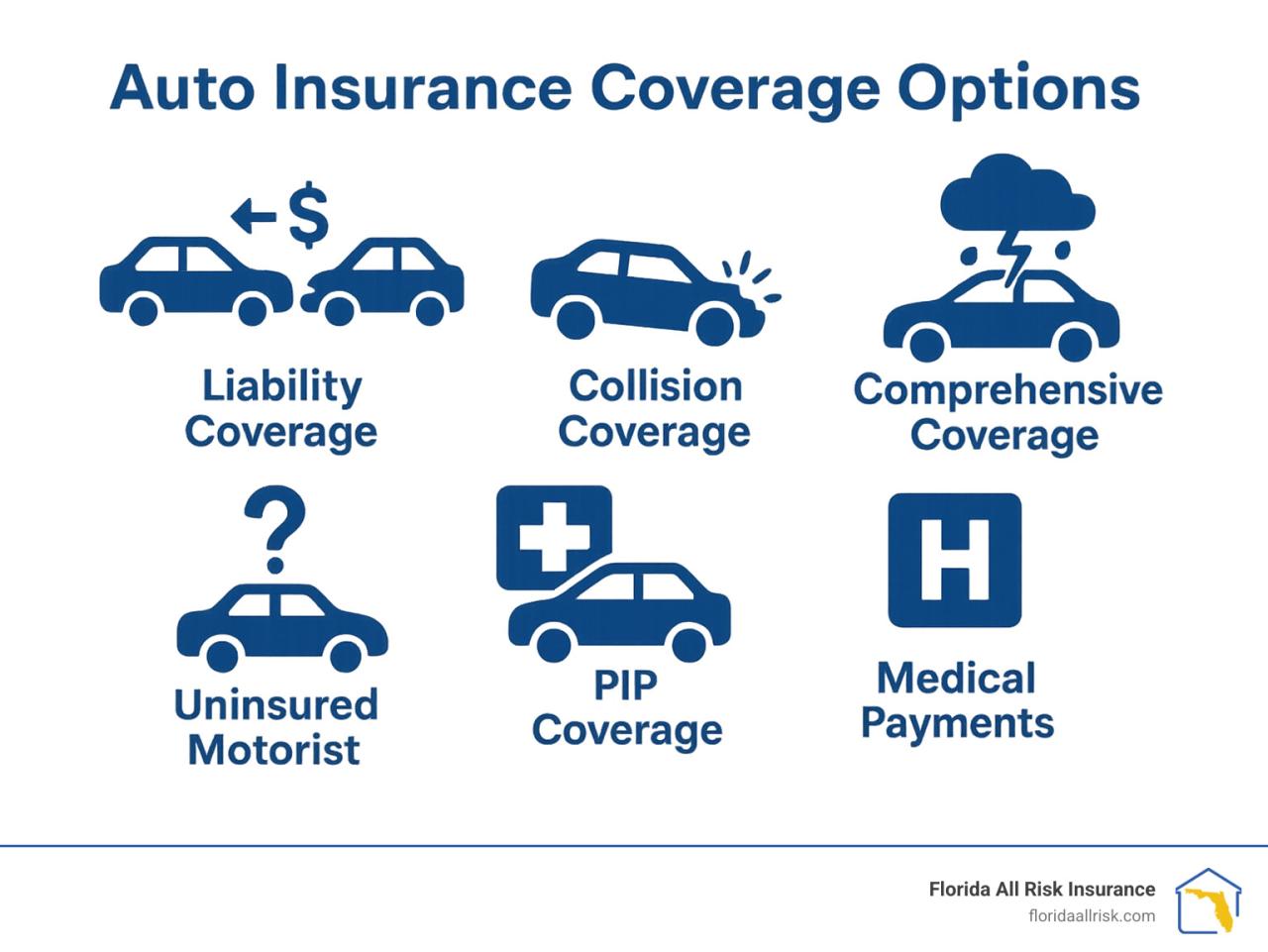
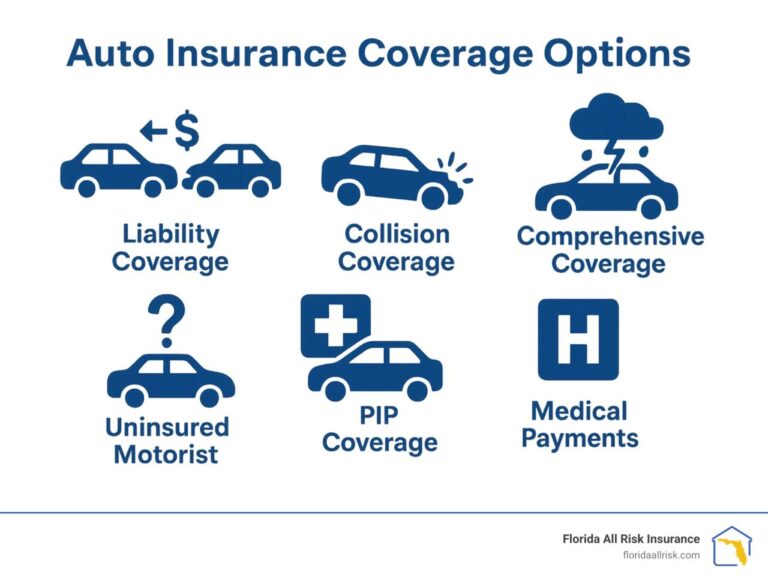
When it comes to full coverage car insurance, it’s important to understand the specific types of coverage included in these comprehensive policies. Full coverage typically includes a combination of collision, comprehensive, liability, uninsured/underinsured motorist, and personal injury protection coverages.
Full coverage car insurance provides protection for a wide range of situations, from accidents on the road to incidents of theft or damage from natural disasters.
What does full coverage car insurance entail?
Full coverage car insurance typically includes both liability coverage and coverage for damage to your vehicle, providing comprehensive protection in various situations.
How can I reduce the cost of full coverage car insurance?
You can lower the cost by increasing deductibles, bundling policies, maintaining a good driving record, and exploring discounts offered by insurance companies.
What are some real-life scenarios where full coverage insurance proves beneficial?
Full coverage insurance proves beneficial in cases of accidents, theft, vandalism, natural disasters, and other unforeseen events that can cause damage to your vehicle.
What specific types of coverage are included in a full coverage policy?
A full coverage policy typically includes collision coverage, comprehensive coverage, uninsured/underinsured motorist coverage, and personal injury protection (PIP) or medical payments coverage.
In what scenarios does full coverage insurance come into play?
Full coverage insurance comes into play in situations like car accidents, vehicle theft, damage from weather events, hitting an animal, or vandalism, providing extensive protection for your vehicle and finances.