
Car Insurance After an Accident: How Claims Can Affect Your Premium
When it comes to Car Insurance After an Accident: How Claims Can Affect Your Premium, the dynamics of insurance rates post-accident can be complex and impactful. Let’s delve into the intricacies of how filing a claim can influence your future premiums and explore strategies to navigate this process effectively.
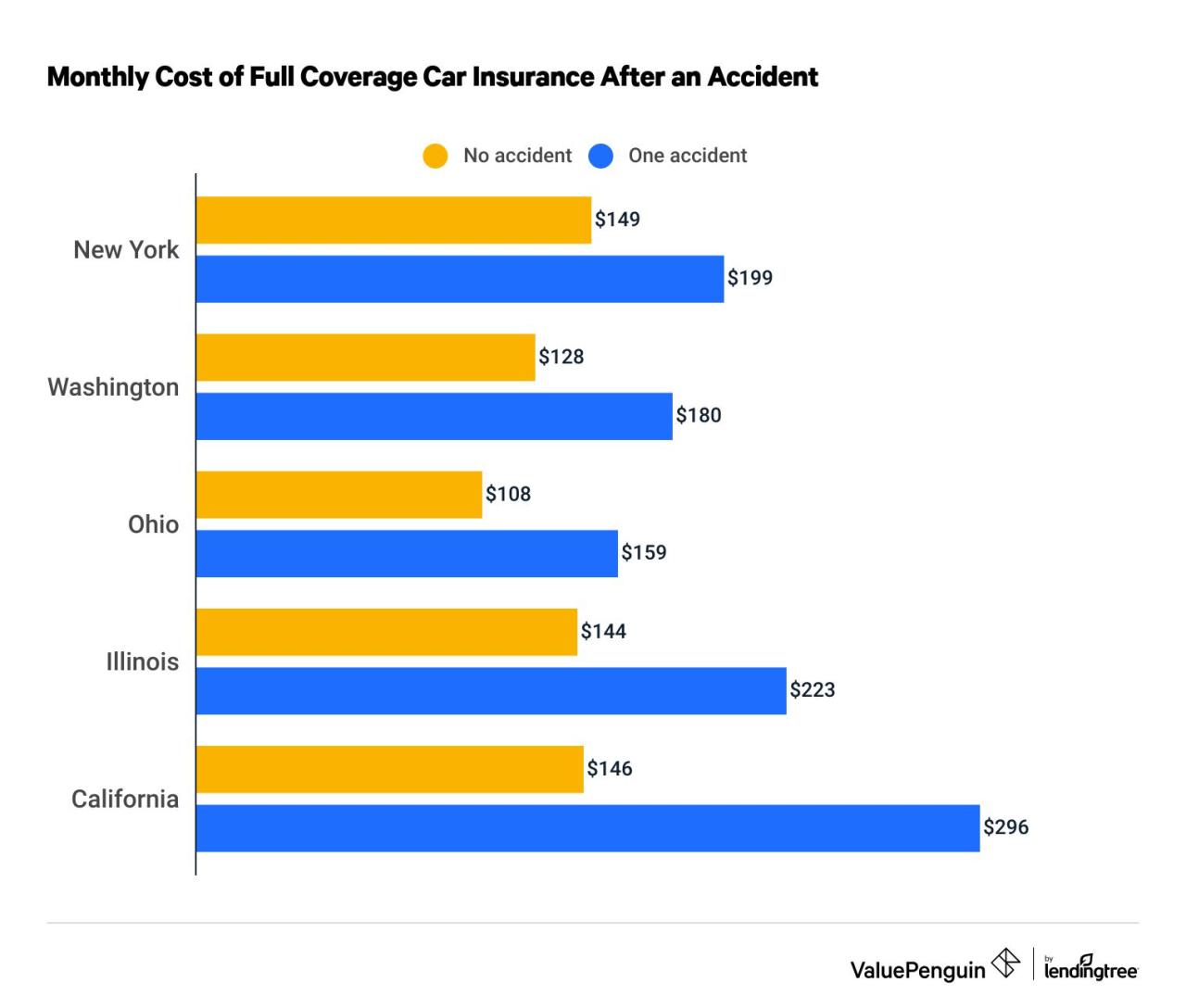
Car insurance premiums are the amount of money you pay to your insurance company in exchange for coverage. These premiums are calculated based on various factors, such as your driving record, age, location, type of vehicle, and coverage options.
Filing a claim after an accident can lead to an increase in your insurance premium. Insurance companies view individuals who file claims as higher risk, which can result in a higher premium to offset potential future payouts.
It’s essential to weigh the cost of repairs against the potential increase in premiums before deciding to file a claim.
When it comes to car insurance claims, the type of claim you file can have a significant impact on your premium rates. Understanding the difference between comprehensive and collision claims, as well as the long-term effects of multiple claims, is crucial in managing your insurance costs.
Comprehensive claims typically involve incidents that are out of your control, such as theft, vandalism, or weather-related damage. These claims are not considered at-fault accidents, so they generally have less of an impact on your premiums compared to collision claims.
However, filing multiple comprehensive claims over a short period of time can still lead to premium increases.
Collision claims are filed when you are at fault for an accident or if the other driver is uninsured. These types of claims usually result in higher premium hikes compared to comprehensive claims. Insurance companies see at-fault accidents as a higher risk factor, which can lead to significant increases in your premiums.
Filing multiple claims, regardless of type, can have a long-term impact on your premium rates. Insurance companies may view you as a high-risk driver if you have a history of filing claims, leading to continuous increases in your premiums. It’s essential to be mindful of how often you file claims to avoid substantial premium hikes.
To minimize premium increases after filing a claim, consider the following strategies:
By understanding the effects of different types of claims on your premiums and implementing strategies to minimize premium hikes, you can better manage your car insurance costs in the long run.
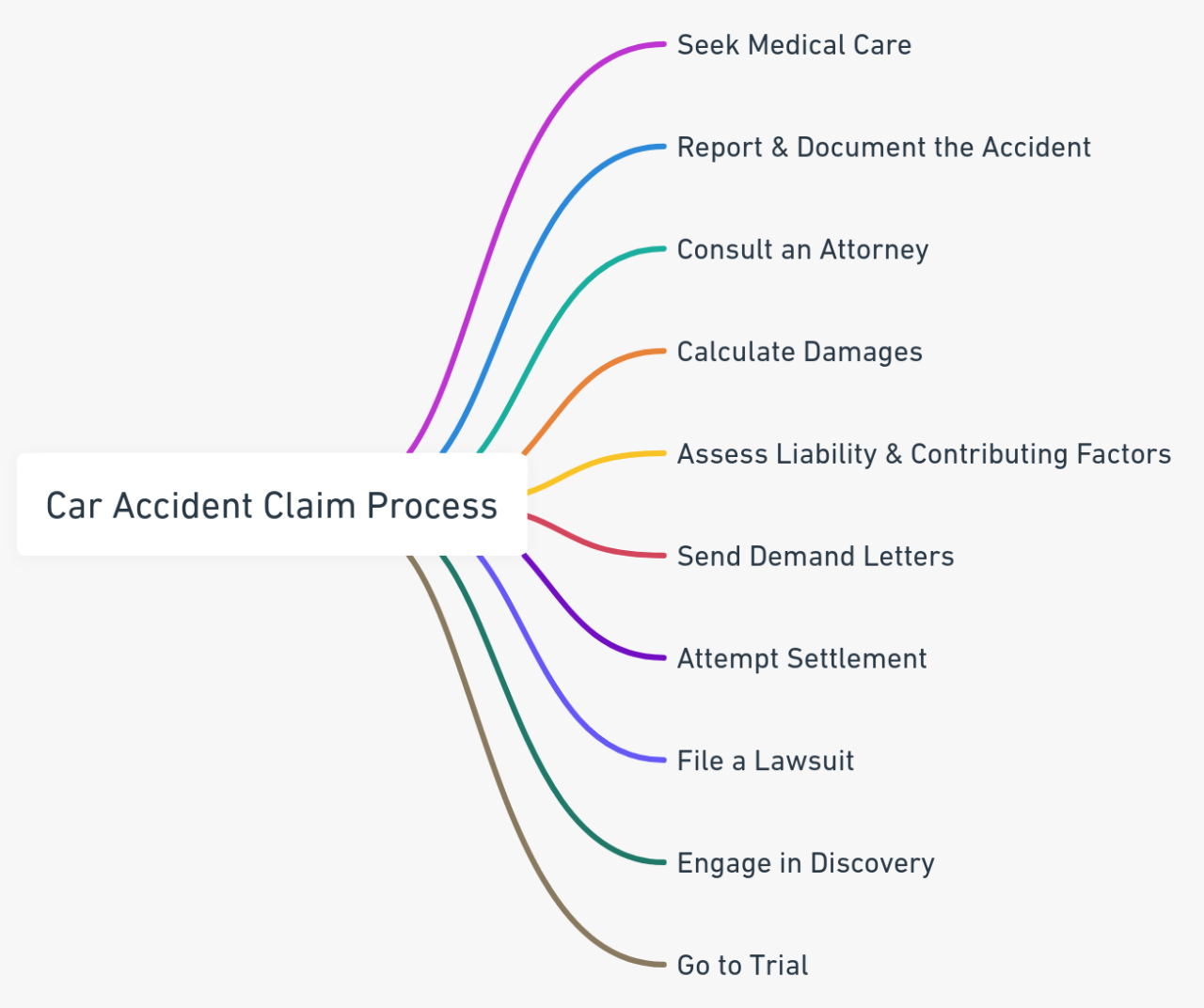
When it comes to car accidents, reporting the incident to your insurance company and filing a claim are crucial steps in the process. It is important to understand the procedures involved in order to ensure a smooth and efficient claims process.
After an accident, some drivers may face significant premium increases with their current insurance provider. In such cases, exploring alternative insurance options becomes crucial to ensure affordable coverage without compromising on quality.
Switching insurance providers after filing a claim can be a viable option for drivers seeking to manage their premiums effectively. By shopping around and comparing quotes from different insurance companies, drivers can potentially find a provider that offers better rates post-accident.
Sticking with the current insurance provider may have its advantages, such as loyalty discounts or benefits for long-term customers. However, changing providers could lead to substantial savings, especially if the current provider raises premiums significantly post-accident.
When considering alternative insurance options after an accident, obtaining quotes from different providers is essential to make an informed decision. Drivers should request quotes based on their current coverage needs and accident history to compare premium rates effectively.
It is recommended to provide accurate information when requesting quotes to ensure the estimates reflect the individual’s specific circumstances.
How are car insurance premiums calculated?
Car insurance premiums are calculated based on various factors such as your driving record, age, location, type of vehicle, and coverage options.
What factors influence premium rates?
Premium rates can be influenced by factors like the driver’s age, driving history, type of vehicle, coverage limits, and the area where the vehicle is primarily driven.
How does filing a claim after an accident impact future premiums?
Filing a claim after an accident can lead to an increase in your future premiums, especially if you are found at fault for the accident.
What is the difference between comprehensive and collision claims?
Comprehensive claims typically cover damages to your vehicle not caused by a collision, while collision claims cover damages resulting from a collision with another vehicle or object.
How can I minimize premium hikes after filing a claim?
To minimize premium hikes after filing a claim, you can consider raising your deductible, maintaining a safe driving record, and exploring potential discounts offered by your insurance provider.