
Electric Vehicle Insurance Cost: Are EVs More Expensive to Insure?
Kicking off with Electric Vehicle Insurance Cost: Are EVs More Expensive to Insure?, this opening paragraph is designed to captivate and engage the readers, providing an intriguing overview of the topic at hand.
Exploring the factors that influence insurance costs for electric vehicles, comparing them with traditional vehicles, strategies to reduce costs, and future trends in the industry sets the stage for an informative discussion.
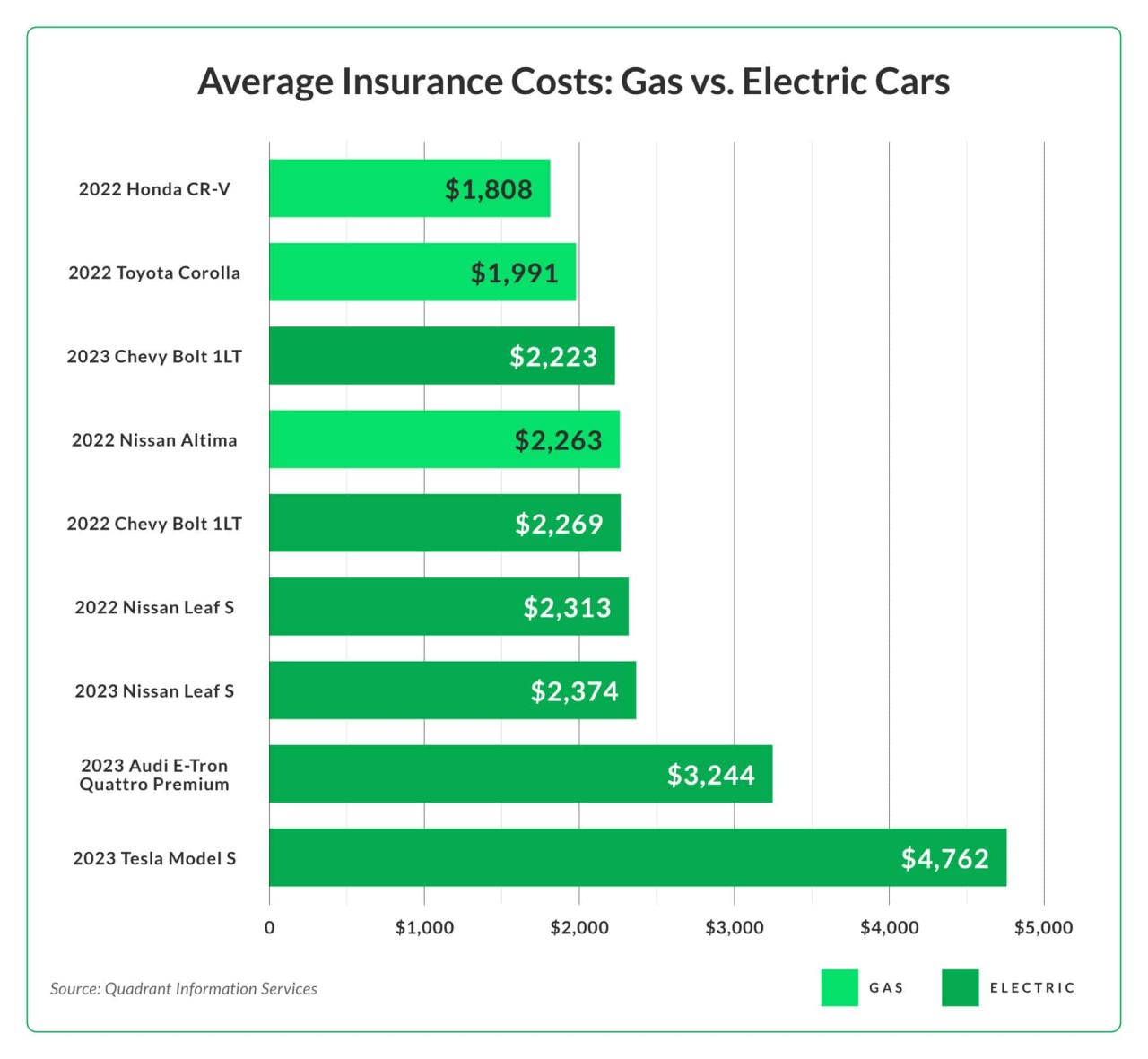
When it comes to insuring electric vehicles, several factors come into play that can influence the cost of insurance premiums. Understanding these key factors is essential for electric vehicle owners to make informed decisions regarding their insurance coverage.
The type of electric vehicle you own can greatly impact the cost of insurance. Factors such as the make and model of the EV, as well as its value, can influence insurance premiums. Generally, more expensive electric vehicles will cost more to insure due to higher repair or replacement costs.
Electric vehicles equipped with advanced safety features may qualify for discounts on insurance premiums. Features such as automatic emergency braking, lane departure warning, and adaptive cruise control can reduce the risk of accidents and, in turn, lower insurance costs.
The location where you live and park your electric vehicle can affect insurance rates. Urban areas with higher rates of accidents or theft may result in higher premiums. Additionally, your driving record plays a significant role in determining insurance costs.
A history of accidents or traffic violations can lead to increased premiums for electric vehicle insurance.
Different insurance companies may offer varying rates for insuring electric vehicles. It is essential to compare quotes from multiple providers to find the best coverage at a competitive price. Factors such as the insurer’s experience with electric vehicles and their claims process can also impact the cost of insurance for EVs.
Electric vehicles (EVs) are often perceived as more expensive to insure compared to traditional gasoline-powered cars. However, several factors come into play when determining insurance costs for both types of vehicles. Let’s take a closer look at the comparison between EV insurance costs and traditional vehicles.
When it comes to insurance premiums, EVs are generally more expensive to insure. This is mainly due to the higher cost of EVs, which results in higher repair or replacement costs in case of accidents. Additionally, the limited availability of EV-specific repair shops can also impact insurance premiums.
Insurance coverage for EVs may differ from that of traditional vehicles. Some insurance companies offer specialized coverage options for EVs, considering factors such as battery replacement costs. On the other hand, discounts for EVs, such as eco-friendly incentives, may help offset the overall insurance cost.
The cost of repairs and maintenance for EVs can be higher compared to traditional vehicles, mainly due to the specialized components and technology involved. This can influence insurance costs, as insurers consider the potential expenses associated with repairs. Moreover, theft rates for EVs may also impact insurance premiums, especially if the vehicle is equipped with valuable components or features.
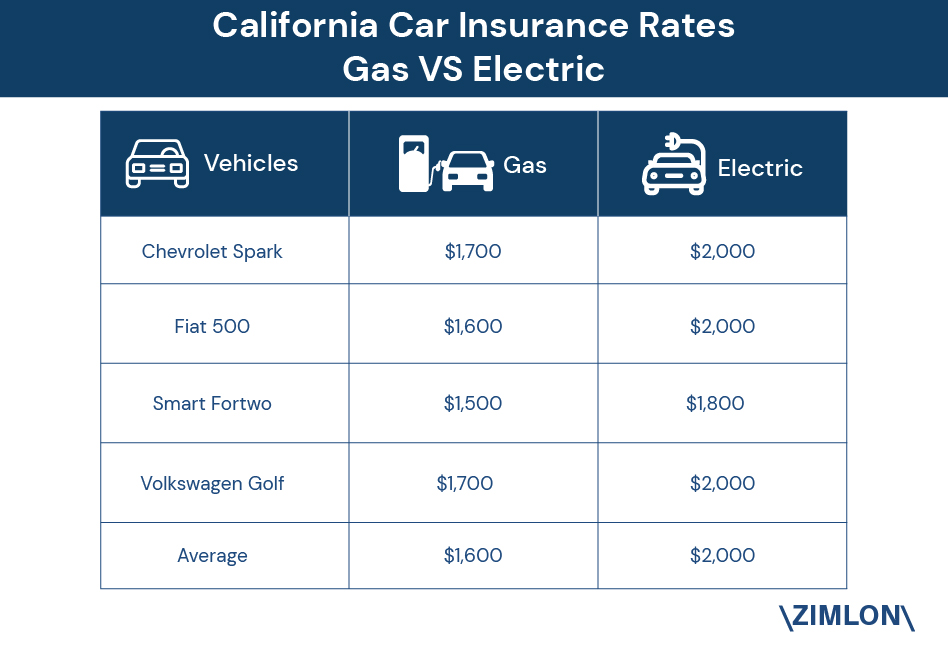
Reducing insurance costs for electric vehicles is essential for maximizing savings and making EV ownership more affordable. By implementing certain strategies and being proactive, EV owners can potentially lower their insurance premiums significantly.
One effective way to reduce insurance costs for electric vehicles is by bundling policies. This involves purchasing multiple insurance policies, such as auto and home insurance, from the same provider. By bundling, insurance companies often offer discounts, resulting in overall savings for the policyholder.
Opting for higher deductibles can also help lower insurance premiums for electric vehicles. While a higher deductible means paying more out of pocket in the event of a claim, it typically results in lower monthly premiums. This strategy is ideal for EV owners who are confident in their driving abilities and ability to minimize risk.
Telematics devices are becoming increasingly popular in the insurance industry. These devices track driving behavior, such as speed, braking, and mileage, to determine insurance premiums. By installing a telematics device in their electric vehicle, drivers can showcase safe driving habits and potentially qualify for lower insurance rates based on their actual driving performance.
One of the most effective ways to reduce insurance costs for electric vehicles is by maintaining a good driving record. Avoiding accidents and traffic violations demonstrates to insurance companies that you are a responsible driver, which can result in lower premiums.
Safe driving is not only beneficial for your overall safety but can also lead to significant cost savings on insurance.
Many insurance companies offer specific discounts for electric vehicle owners. These discounts can vary but often include incentives for driving a green vehicle, such as reduced rates for EV drivers. By researching and comparing insurance providers that offer EV-specific discounts, owners can potentially save money on their insurance premiums.
Electric vehicle insurance is a rapidly evolving sector that is influenced by various factors. As technology continues to advance, it is essential to explore the future trends that may shape the landscape of electric vehicle insurance in the coming years.
With the rise of electric vehicles, advancements in technology and autonomous driving features are expected to impact insurance costs. The integration of safety technologies such as collision avoidance systems and self-driving capabilities can potentially reduce the risk of accidents, leading to lower insurance premiums for EV owners.
The utilization of data analytics in the insurance industry is becoming increasingly prevalent. Insurers are leveraging data to assess risk more accurately and tailor insurance policies to individual drivers. This trend is likely to continue in the future, potentially resulting in more personalized and cost-effective insurance options for electric vehicle owners.
As electric vehicles become more mainstream, regulatory changes and new insurance offerings specific to EVs are expected to emerge. Governments may introduce policies to incentivize the adoption of electric vehicles, which could impact insurance requirements and premiums. Insurers may also develop specialized insurance products tailored to the unique needs of electric vehicle owners, further shaping the future of EV insurance.
Are electric vehicles more expensive to insure than traditional cars?
Insurance costs for electric vehicles can vary based on factors like the vehicle type, value, safety features, location, driver’s record, and insurance provider. In some cases, EVs may have higher premiums due to their advanced technology and repair costs.
What are some strategies to reduce insurance costs for electric vehicles?
Strategies to lower insurance premiums for EVs include bundling policies, choosing higher deductibles, using telematics devices, maintaining a good driving record, and seeking out EV-specific discounts.
How do advancements in technology impact electric vehicle insurance costs?
Advancements in technology, such as autonomous driving features and data analytics, may influence insurance costs for EVs by potentially reducing risks and improving safety, leading to adjusted premium rates.