How to Get Full Insurance Coverage for Hail and Storm Damage Siding (US, UK & AU)
How to Get Full Insurance Coverage for Hail and Storm Damage Siding (US, UK & AU) sets the stage for this enthralling narrative, offering readers a glimpse into a story that is rich in detail with casual formal language style and brimming with originality from the outset.
As we delve deeper into the intricacies of insurance coverage for hail and storm damage siding, we uncover a world of nuances and complexities that shape the protection homeowners can receive in times of need.
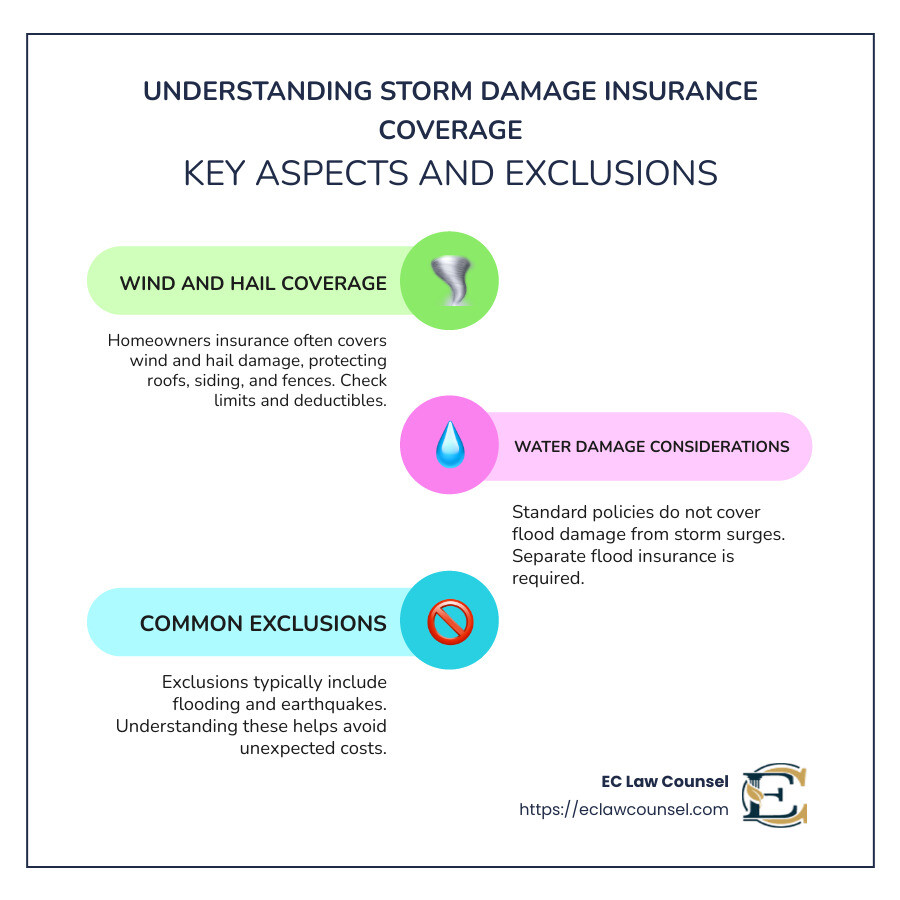
When it comes to protecting your home from hail and storm damage, having the right insurance coverage is crucial. Home insurance policies typically offer coverage for damage caused by hail and storms, including damage to siding. However, the extent of coverage and specific details can vary depending on the country and insurance provider.In the US, home insurance policies usually cover hail and storm damage to siding as part of the dwelling coverage.
This means that the insurance will help pay for repairs or replacement of siding that is damaged due to hail or storms. Deductibles and coverage limits may apply, so it’s essential to review your policy details.In the UK, home insurance policies may also include coverage for hail and storm damage to siding, but the specifics can differ.
Some policies may have specific exclusions or limitations related to hail and storm damage, so it’s important to carefully read and understand your policy to know what is covered.In Australia, home insurance policies typically cover hail and storm damage to siding as part of the overall building insurance.
Again, it’s crucial to review the policy details to understand any exclusions or limitations that may apply to hail and storm damage.
In the US, hail and storm damage siding coverage is often included in dwelling coverage, while in the UK and AU, it may be part of the building insurance. Deductibles and coverage limits can vary between countries, so it’s essential to compare policies to ensure you have adequate coverage.
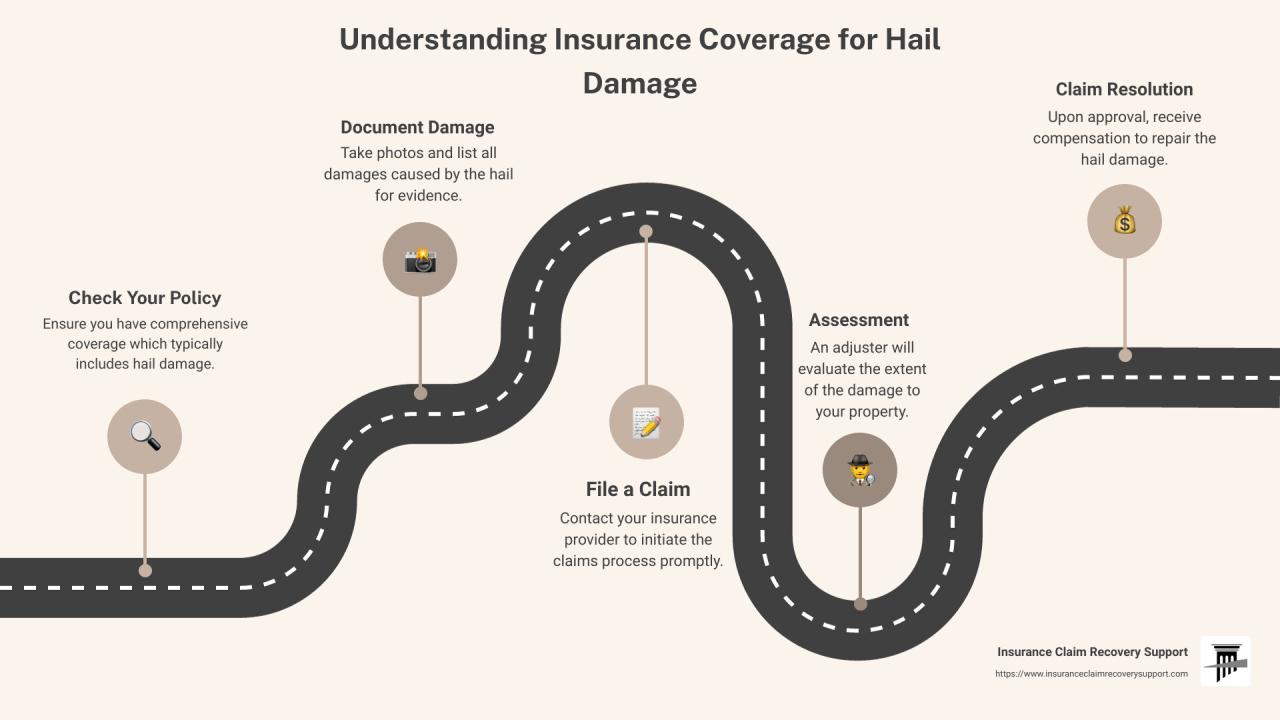
When it comes to insurance coverage for hail and storm damage siding, several factors come into play that can impact the extent of coverage you receive. These factors include the age and condition of the siding, your geographic location, the frequency of hail and storm events in your area, and the role of deductibles in your insurance policy.
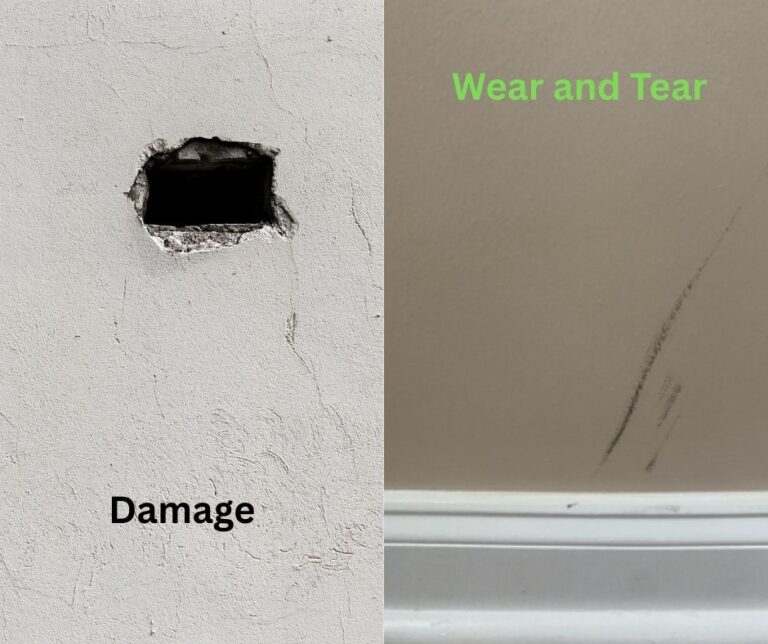
The age and condition of your siding can have a significant impact on your insurance coverage for hail and storm damage. Older siding that is already worn out or damaged may not be eligible for full coverage, as insurance companies may consider the damage to be pre-existing.
It is essential to ensure that your siding is well-maintained and in good condition to maximize your insurance coverage.
Your geographic location plays a crucial role in determining the level of insurance coverage you receive for hail and storm damage siding. Areas that are prone to frequent hail and storm events are likely to have higher insurance premiums or deductibles to account for the increased risk of damage.
Insurance companies take into consideration the likelihood of severe weather events in your area when determining your coverage options.
Deductibles play a significant role in insurance coverage for hail and storm damage siding. A deductible is the amount you are responsible for paying out of pocket before your insurance coverage kicks in. Higher deductibles typically result in lower insurance premiums, but it also means you will have to pay more in the event of a claim.
It is essential to review your insurance policy carefully to understand how deductibles impact your coverage for hail and storm damage siding.
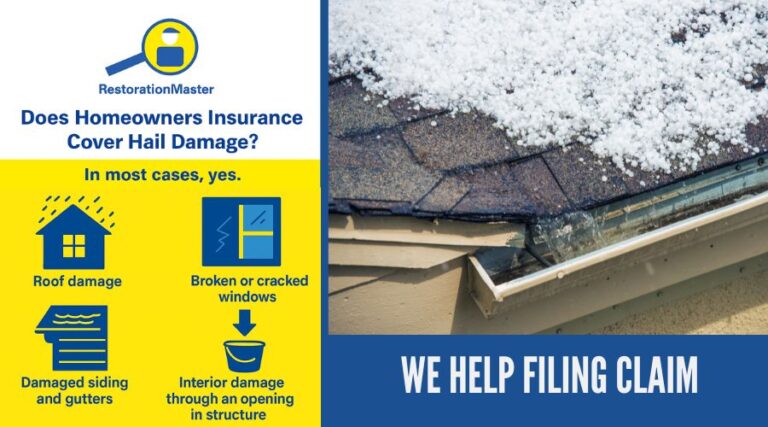
When it comes to protecting your home from potential hail and storm damage, it’s crucial to take the necessary steps to ensure full insurance coverage. By following a checklist, documenting siding condition, and understanding the claims process, homeowners can be better prepared for any unforeseen events.
Before and after a storm, documenting the condition of your siding is crucial for insurance purposes. By having visual evidence of the state of your siding, you can support your claim and ensure that any damage caused by hail or storms is properly covered by your insurance policy.
When dealing with insurance claims for hail and storm damage siding, it is essential to know how to maximize your insurance payouts to cover the necessary repairs. Here are some tips to help you navigate through the process:
When negotiating with insurance companies, it is crucial to provide evidence of the damage and the estimated cost of repairs. Be prepared to advocate for yourself and your property by presenting detailed documentation, such as photos, estimates from contractors, and any relevant invoices.
Contractors and adjusters play a vital role in assessing hail and storm damage siding claims. They will inspect the damage, provide estimates for repairs, and communicate with the insurance company on your behalf. It is essential to choose reputable professionals who can accurately assess the extent of the damage.
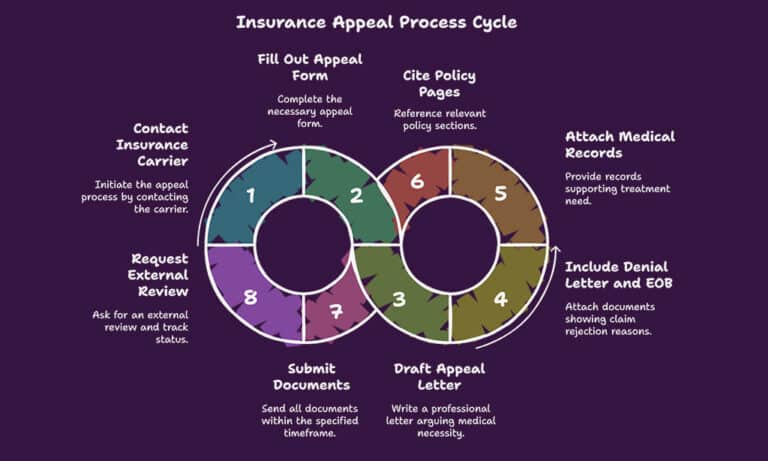
If your insurance claim for hail and storm damage siding is denied, don’t lose hope. You can appeal the decision by providing additional evidence, seeking a second opinion from a different adjuster or contractor, or even hiring a public adjuster to represent your interests.
Persistence and thorough documentation can help you overturn a denial and secure the coverage you deserve.
What are common exclusions related to hail and storm damage in insurance policies?
Common exclusions may include pre-existing damage, lack of maintenance, and certain types of siding materials not covered under the policy. It’s essential to review your policy to understand specific exclusions that may apply.
How does the age and condition of siding impact insurance coverage for hail and storm damage?
The age and condition of siding can affect coverage by influencing the likelihood of damage and the cost of repairs. Older or poorly maintained siding may result in limited coverage or higher deductibles.
What steps should homeowners take to prepare for potential hail and storm damage claims?
Homeowners should create a detailed inventory of their property, document the condition of their siding regularly, and review their insurance policy to ensure adequate coverage. Being prepared can streamline the claims process.